
What to Look for in a Church Home That Feels Welcoming and Safe
What to Look for in a Church Home That Feels Welcoming and Safe
Finding a welcoming church in the San Fernando Valley can feel overwhelming when you want a place that truly feels like family. You want a safe church environment where your faith can grow, your children can thrive, and your spirit can find rest. This simple guide will help you recognize the signs of a warm, Bible teaching church that offers genuine community and Sabbath peace. Keep reading to see how Valley Crossroads Church puts these values into practice for families like yours.
Learn more about the Seventh-day Adventist faith journey here.
Finding a Welcoming Church
Finding the right church home is a meaningful journey. You want a place that feels like family, where you can grow spiritually and feel supported.
Genuine Hospitality Matters
When you step into a church, you should feel genuinely welcomed. A friendly greeting at the door sets the tone. Look for people who are eager to introduce themselves and make you feel at home. Personal interactions matter. Churches that value hospitality often have greeters or welcome teams who are there to assist and answer any questions. These small gestures can make a big difference in how newcomers feel.
Safe Church Environment
Safety is essential in a church setting. A safe church environment offers peace of mind. Ensure the church has clear policies for emergencies and trained staff to handle various situations. Safety extends beyond physical aspects. The church should promote a culture of respect and kindness. This ensures everyone feels secure and valued. Trustworthy churches prioritize creating a safe atmosphere for worship and community.
Family-Friendly Atmosphere
A church that welcomes families creates spaces for children to learn and play. Look for programs that cater to different age groups. Family-friendly churches often have activities or classes for kids during services. This allows parents to focus on worship while children enjoy learning about faith in age-appropriate ways. A family-oriented church also offers support for parents, understanding the unique challenges they face.
Discovering a Safe Space

Once you feel welcomed, it's crucial to ensure the church is a safe space, both emotionally and physically. This goes beyond just feeling secure.
Emotional and Physical Safety
Churches should be havens of emotional support. Look for leaders who encourage open conversations and provide guidance. Emotional safety means having a community that listens and supports without judgment. On the physical side, check that the church has proper security measures in place. This could include trained personnel and clear guidelines for emergencies. A church that cares for both emotional and physical well-being fosters a nurturing environment.
Children and Youth Ministry Safety
When it comes to children, safety is paramount. Churches should have clear protocols for protecting young ones. This includes background checks for volunteers working with kids. Effective communication with parents is vital. Parents should feel informed and confident about the programs their children participate in. A church that prioritizes safety in its children and youth ministries shows a commitment to caring for all its members.
Trauma-Informed Church Practices
Trauma-informed practices in a church demonstrate sensitivity to members' past experiences. Leaders trained in recognizing and responding to trauma can provide better support. A church that understands trauma-related issues creates an inclusive environment. This means offering resources and support for healing and growth. Churches that are trauma-informed actively work to ensure all members feel safe, respected, and valued.
Building Authentic Community
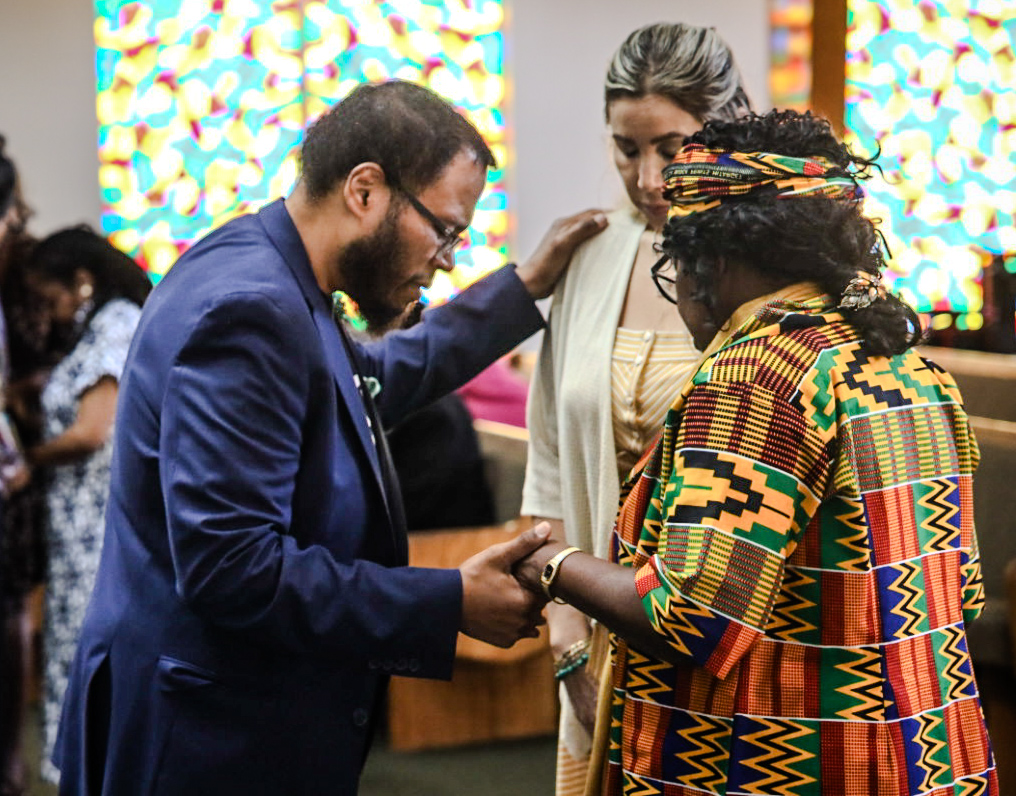
Building a genuine community is key to feeling connected. It's about creating lasting relationships that support spiritual growth and personal well-being.
Intergenerational Worship Opportunities
A vibrant church community includes people of all ages. Intergenerational worship allows different age groups to connect and learn from each other. Churches that offer these opportunities foster a deeper sense of belonging. Sharing experiences and wisdom across generations strengthens the community fabric. This creates a richer worship experience for everyone involved.
Transparent and Caring Leadership
Trustworthy leadership is foundational to an authentic community. Church leaders should be open and approachable. Transparency in decision-making processes builds trust among members. Leaders who genuinely care for the congregation make themselves available for support and guidance. This openness encourages a culture of honesty and integrity within the church.
Opportunities to Serve and Connect
Churches that offer various ways to get involved help members feel connected. Whether it's through service projects, small groups, or social gatherings, these opportunities enhance community bonds. Serving together strengthens relationships and fosters a sense of purpose. A church that actively invites participation makes it easier for members to feel they belong.
Frequently Asked Questions
What should I look for in a family-friendly church?
Look for a church with dedicated programs for children and youth, offering activities and classes that cater to different age groups. Ensure the church supports parents and provides a welcoming environment for families.
How can I tell if a church prioritizes safety?
Check if the church has clear safety guidelines, trained staff, and security measures in place. A safe church will also promote a culture of respect and kindness, ensuring everyone feels secure.
Why is intergenerational worship important?
Intergenerational worship connects people of all ages, allowing them to learn from each other. It strengthens community ties and creates a richer, more inclusive worship experience.
What does it mean for a church to be trauma-informed?
A trauma-informed church understands and responds to trauma-related issues. It offers resources and support for healing and ensures all members feel safe, respected, and valued.
How can I get involved in a church community?
Look for opportunities to serve, join small groups, or attend social gatherings. Churches that actively invite participation help members feel connected and part of the community.