
What to Look for in a Church Home That Feels Welcoming and Safe
What to Look for in a Church Home That Feels Welcoming and Safe
Finding a church home that truly feels welcoming and safe can seem overwhelming, especially when you’re seeking more than just a building. You want a place where your family can grow in faith, find peace, and belong to a community that cares deeply. This guide offers a clear, heart-centered checklist to help you recognize a welcoming church in San Fernando Valley—one where biblical truth meets genuine warmth and Sabbath worship brings renewal.
Finding a Welcoming Church
Community and Belonging
The heart of any church lies in its community. A welcoming church in San Fernando Valley feels like home. You will sense genuine warmth the moment you walk in. Look for a place where people connect beyond Sunday services, sharing life, meals, and moments. When you find a church that values relationships, you experience a sense of belonging that goes deeper than attendance.
Community events play a key role. Whether it’s a friendly game night, a heartfelt prayer gathering, or a community service project, these moments create bonds. Churches that host regular fellowship opportunities understand the importance of doing life together. This is where authentic friendships form and grow, providing support and encouragement.
A church that values community often has small groups. These gatherings allow you to dive deeper into faith, share stories, and pray together. Small groups are where many find their closest friends and spiritual family. They offer a space to be heard and grow without judgment.
Safe and Family-Friendly Environment
A church that makes everyone feel safe and cared for is invaluable. Families seek environments where their children will be nurtured and loved. Look for churches with vibrant children’s programs. These are places where kids learn about faith in fun and interactive ways. Such programs foster spiritual growth from a young age.
Safety extends beyond physical well-being. It includes emotional and spiritual support. A safe church encourages open conversation and respects boundaries. It provides spaces where people can share their stories without fear or shame. Look for churches that prioritize mental and emotional health, offering resources and guidance for those who need it.
Welcoming churches also make logistics easy. Clear signs, friendly greeters, and accessible facilities help newcomers feel at ease. When you don’t have to worry about the little things, you can focus on meaningful connections and worship.
Authentic Worship and Teaching
Worship should feel uplifting and genuine. An authentic church community incorporates diverse music styles and heartfelt worship. When the music moves you and the message resonates, you know you’ve found something special. Worship is about more than singing; it’s about connecting with God and each other in a profound way.
Biblical teaching plays a crucial role in a welcoming church. The messages should be rooted in Scripture and relevant to everyday life. You want teaching that challenges and inspires, offering wisdom you can apply throughout the week. Look for pastors who deliver messages with clarity and compassion, making biblical truths accessible and engaging.
Witnessing others grow in their faith is a powerful testament to a church’s authenticity. When you see lives changed and hearts transformed, you know the church is rooted in truth. Testimonies of personal growth and spiritual renewal provide hope and encouragement to all.
Key Aspects of a Safe Church

Child and Youth Safety
Churches must create environments where children and youth feel safe and valued. Programs designed for different age groups should engage kids with age-appropriate teachings and activities. Safe churches have clear policies in place to protect their youngest members. Background checks for volunteers and staff are a good sign of diligence and care.
Parents should feel confident leaving their children in the church’s care. Look for churches with vibrant, secure children’s programs that teach biblical values while encouraging fun and friendship. Such environments foster spiritual growth and build a sense of belonging from an early age.
Safety extends beyond physical measures. Emotional safety is equally vital. Churches that encourage open dialogue, respect boundaries, and provide a space for children to express themselves nurture their growth. This holistic approach helps children form a strong foundation for their faith journey.
Compassionate Leadership and Support
A church that provides compassionate leadership and support creates a nurturing environment for all. Leaders should be approachable and genuinely care for the congregation. They offer guidance, wisdom, and prayer, helping members navigate life’s challenges with faith and hope.
Compassionate leaders foster a culture of care. They listen without judgment and stand by those in need. Look for churches where you see leaders actively involved in the community, participating in events and reaching out to those who may feel disconnected.
Support extends beyond pastoral care. It includes ministries that address various life stages and needs. Churches that provide resources, counseling, and support groups show they understand the diverse challenges people face. These churches walk alongside their members, offering encouragement and practical help.
Transparent Operations and Accountability
Transparency in church operations builds trust. Churches that openly communicate their mission, values, and decision-making processes are more likely to foster a strong community. Transparent financial practices and clear communication about church activities and plans show integrity.
Accountability is an essential aspect of a healthy church. Leaders should be accountable to each other and the congregation. This creates a system of checks and balances, ensuring decisions reflect the church’s mission and values. A culture of accountability encourages open conversation and builds confidence in leadership.
Engage with churches that are open about their goals and progress. When a church values transparency, it creates an environment where everyone feels informed and involved. This sense of inclusion strengthens community bonds and encourages active participation.
Embracing Sabbath-Centered Life
Spiritual Rest and Renewal
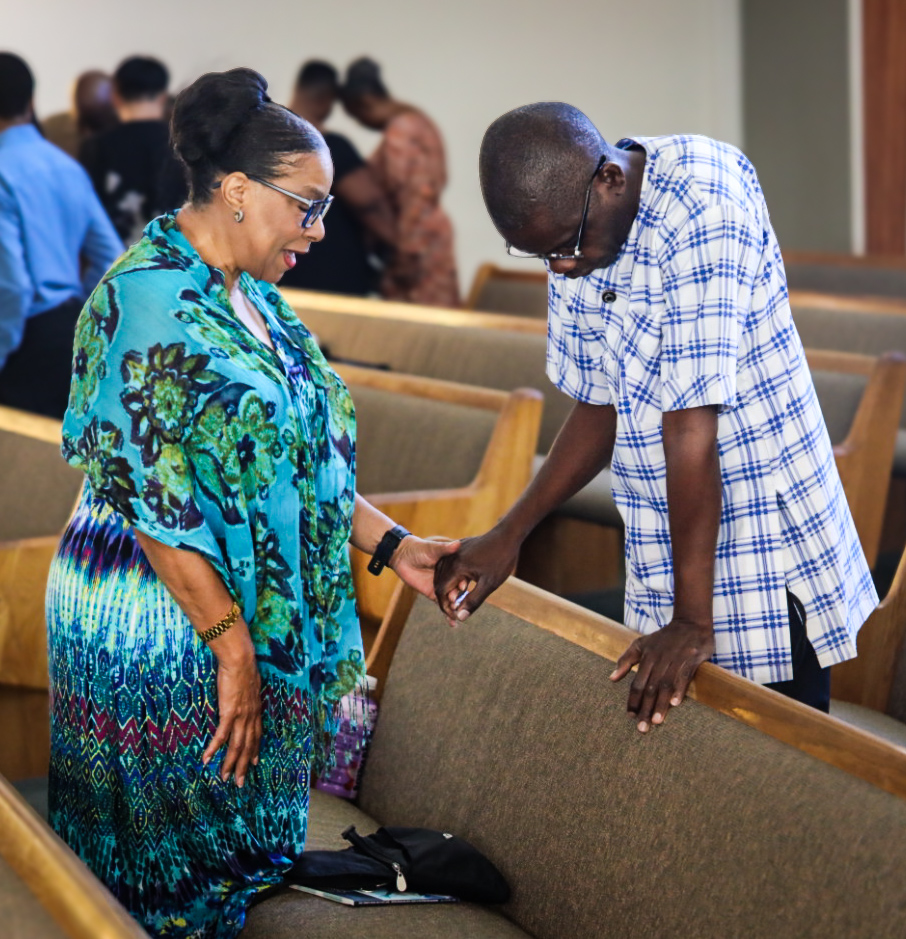
The Sabbath offers a time for rest and renewal. In today’s busy world, finding a church that values Sabbath-centered worship can be a refuge. These churches focus on creating a peaceful environment where individuals can reconnect with God and find spiritual refreshment.
Spending intentional time in worship and reflection helps restore balance. Churches that emphasize Sabbath rest encourage members to slow down and prioritize their spiritual well-being. This intentional pause allows for deeper connections with God and others, fostering a sense of community and belonging.
The benefits of Sabbath go beyond spiritual renewal. A day of rest can improve mental and emotional health, providing a much-needed break from daily stresses. Churches that embrace the Sabbath as a time for healing and growth offer a sanctuary for weary souls seeking peace.
Opportunities for Growth and Service
Churches that provide opportunities for growth and service are vital for spiritual development. Look for places where you can engage in Bible study, join small groups, and participate in service projects. These opportunities allow you to grow in your faith and make meaningful contributions to the community.
Service opportunities help members live out their faith in practical ways. Whether it’s volunteering at a local shelter, participating in outreach events, or supporting global missions, these activities deepen your connection to the church and its mission. Serving others fosters a sense of purpose and fulfillment, reflecting Christ’s love in action.
Growth is not a solitary journey. Churches that encourage collaboration and mentorship create a thriving environment for spiritual development. Engaging in shared learning experiences strengthens your faith and builds lasting relationships.
Building Connections Through Small Groups
Small groups are the backbone of a connected church community. These intimate gatherings offer a space to explore faith, share life experiences, and support one another. When you join a small group, you find a circle of friends who grow alongside you in your spiritual journey.
Participating in a small group fosters accountability and deepens relationships. These groups provide a safe space for open dialogue and honest conversations, allowing you to explore faith in a supportive environment. This connection encourages growth and nurtures a sense of belonging.
Small groups also offer opportunities to serve together. Whether it’s hosting a community event, volunteering at a local charity, or supporting one another through prayer, these shared experiences strengthen bonds and enrich your church experience. The friendships formed in small groups often extend beyond church walls, creating lifelong connections.
Frequently Asked Questions
What makes a church welcoming?
A welcoming church feels like home, offering genuine warmth and connection. Key aspects include a friendly atmosphere, community events, and opportunities to join small groups. These elements create a sense of belonging.
How can I ensure a church is safe for my family?
Safety involves both physical and emotional aspects. Look for churches with secure children’s programs, clear communication, and supportive leadership. Transparent operations and accountability also contribute to a safe environment.
What are the benefits of Sabbath-centered worship?
Sabbath-centered worship provides spiritual rest and renewal. It encourages intentional time with God and the community, offering peace and a break from daily stresses. This fosters deeper connections and spiritual growth.
Why are small groups important in a church community?
Small groups offer a space for personal growth, accountability, and support. They provide intimate settings for exploring faith and building lasting friendships, enhancing your overall church experience.
How can I get involved in church service opportunities?
Most churches offer various ways to serve, from local outreach to global missions. Start by joining a small group or speaking with church leaders to find opportunities that align with your interests and skills.