


Growing Character God’s Way: How Faith‑Based Education Shapes Children for Life
Many parents worry that schools focus too much on facts and not enough on character. You want your child to grow into someone kind, honest, and faithful—not just smart. Faith-based education through Seventh-day Adventist schools offers a path where learning and Christian values come together to build strong character in children. Let’s explore how this Bible-based curriculum nurtures integrity, service, and spiritual growth for your family.
Faith-Based Education and Character Growth
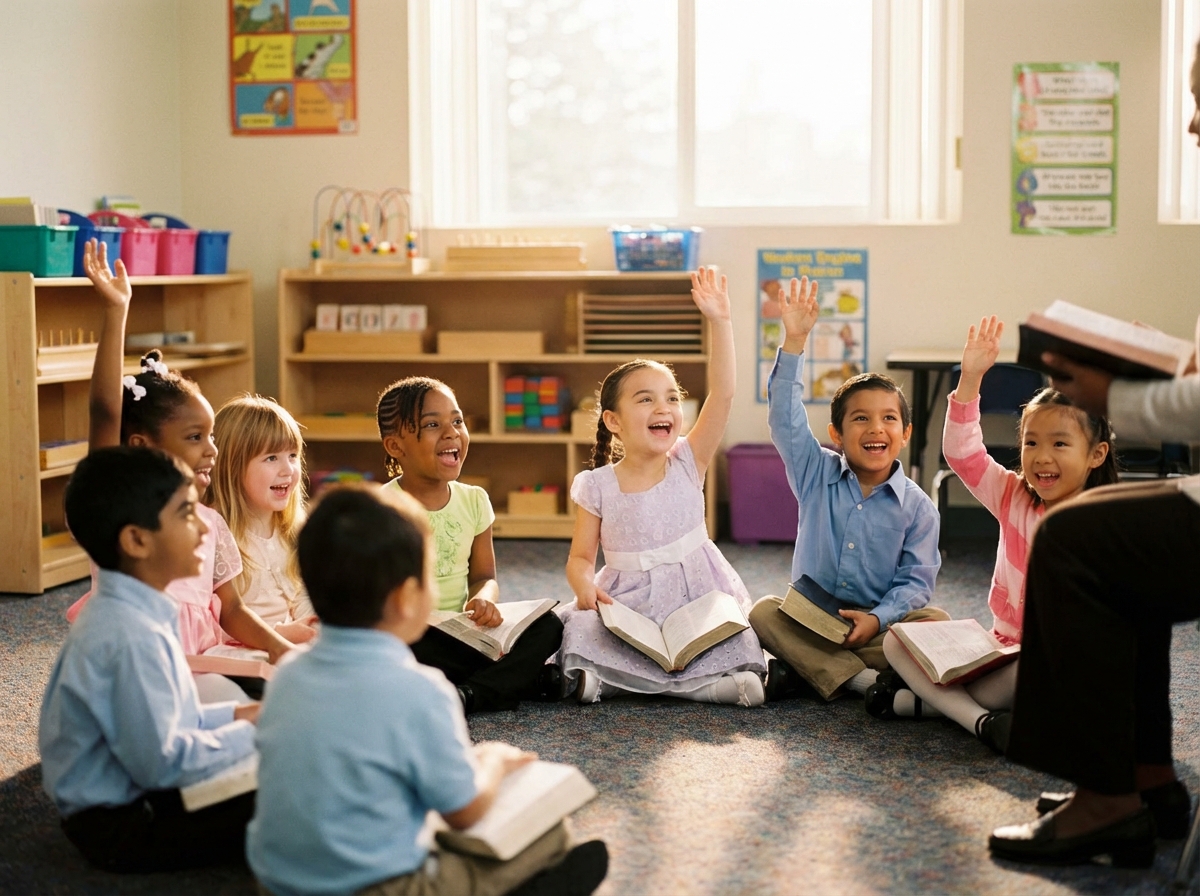
When choosing a school, you want more than academics. You want a place that nurtures your child’s whole being. Faith-based education provides the foundation for growth in both knowledge and character.
Bible-Based Curriculum and Christian Values
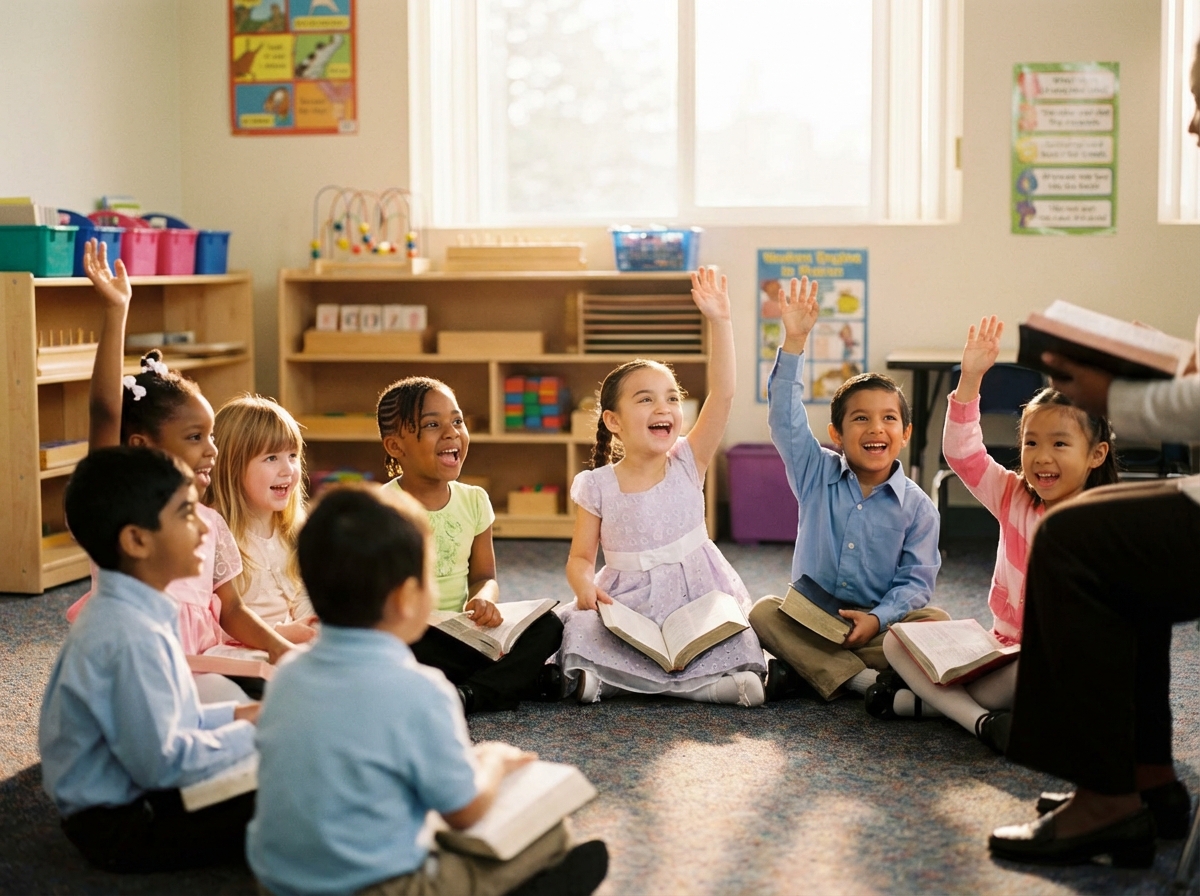
A Bible-based curriculum forms the backbone of faith-based education, integrating spiritual teachings with academic subjects. Your child will learn stories from the Bible that teach kindness, honesty, and service. Imagine a classroom where math and science are taught alongside lessons in compassion and humility. This approach ensures that students not only excel academically but also grow in wisdom and understanding. A teacher might start the day with a prayer or a Bible verse, setting a tone of reflection and gratitude. This environment reinforces the importance of living a life rooted in faith.
Sabbath Rest and Spiritual Identity
The practice of Sabbath rest offers a unique opportunity to strengthen spiritual identity. Observing this day provides your family with a break from the hustle and bustle of everyday life. It’s a time to focus on spiritual growth and family connection. The Sabbath encourages reflection and renewal, allowing children to remember their identity in Christ. Imagine spending the day in nature, enjoying a peaceful walk or sharing stories of faith. This regular pause helps children understand the value of rest and reflection in a world that often prioritizes constant activity.
Service Learning and Community Engagement
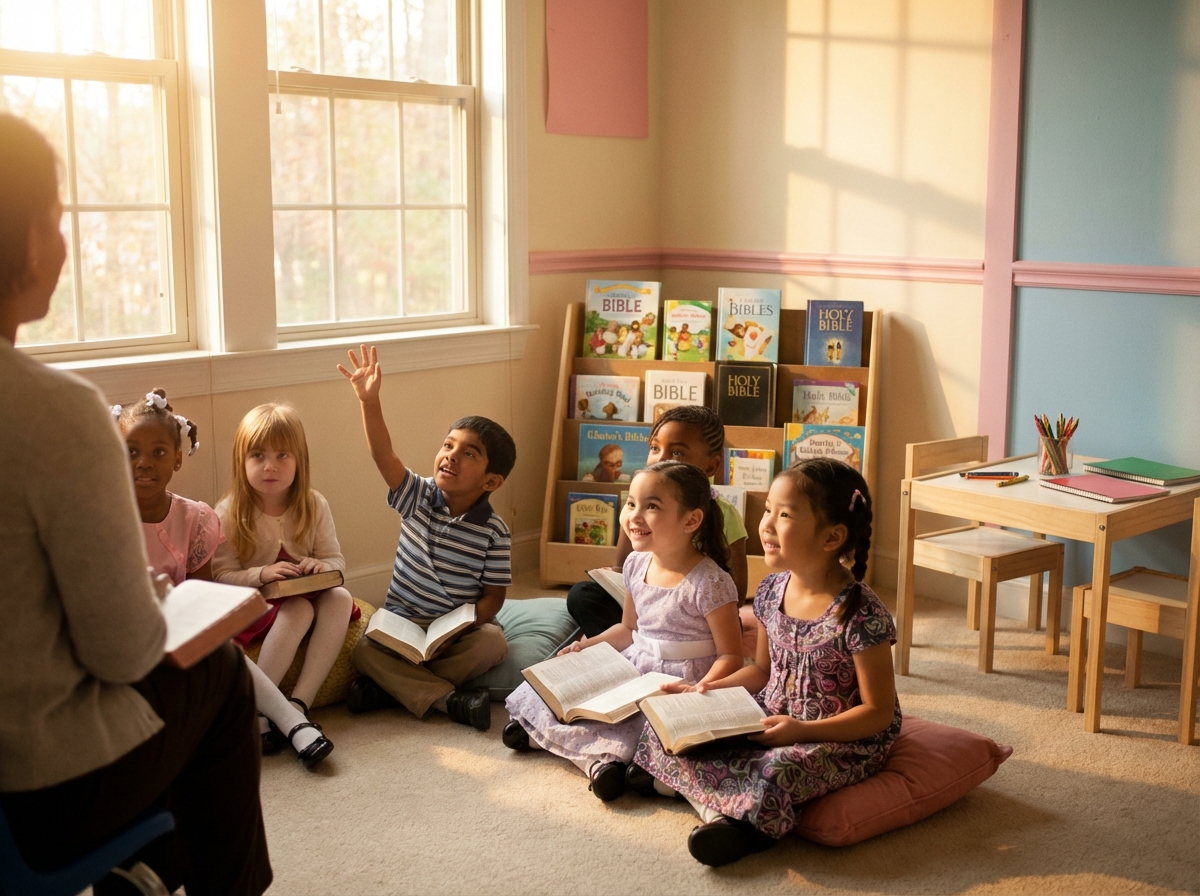
Building character also means teaching the importance of serving others. Faith-based education emphasizes community service, helping children see beyond themselves and understand their role in making the world a better place.
Local and Global Impact
Service learning projects encourage students to engage with their community both locally and globally. Your child might participate in a neighborhood cleanup or help organize a fundraiser for an overseas mission project. These experiences teach empathy and responsibility, showing the direct impact of service on others. Picture your child working alongside friends to collect food for a local shelter. Such hands-on activities make service real and meaningful, fostering a sense of accomplishment and purpose.
Family Discipleship and Supportive Community
A supportive community strengthens your family’s faith journey. Engaging with other families through church activities, like the Adventurer or Pathfinder Clubs, brings a sense of belonging. These groups offer events and projects that deepen faith and build friendships. You and your child can explore faith together, learning and growing with others on the same path. The supportive environment encourages families to disciple one another, sharing experiences and spiritual insights that enrich everyone’s journey.
Holistic Education and Child Development
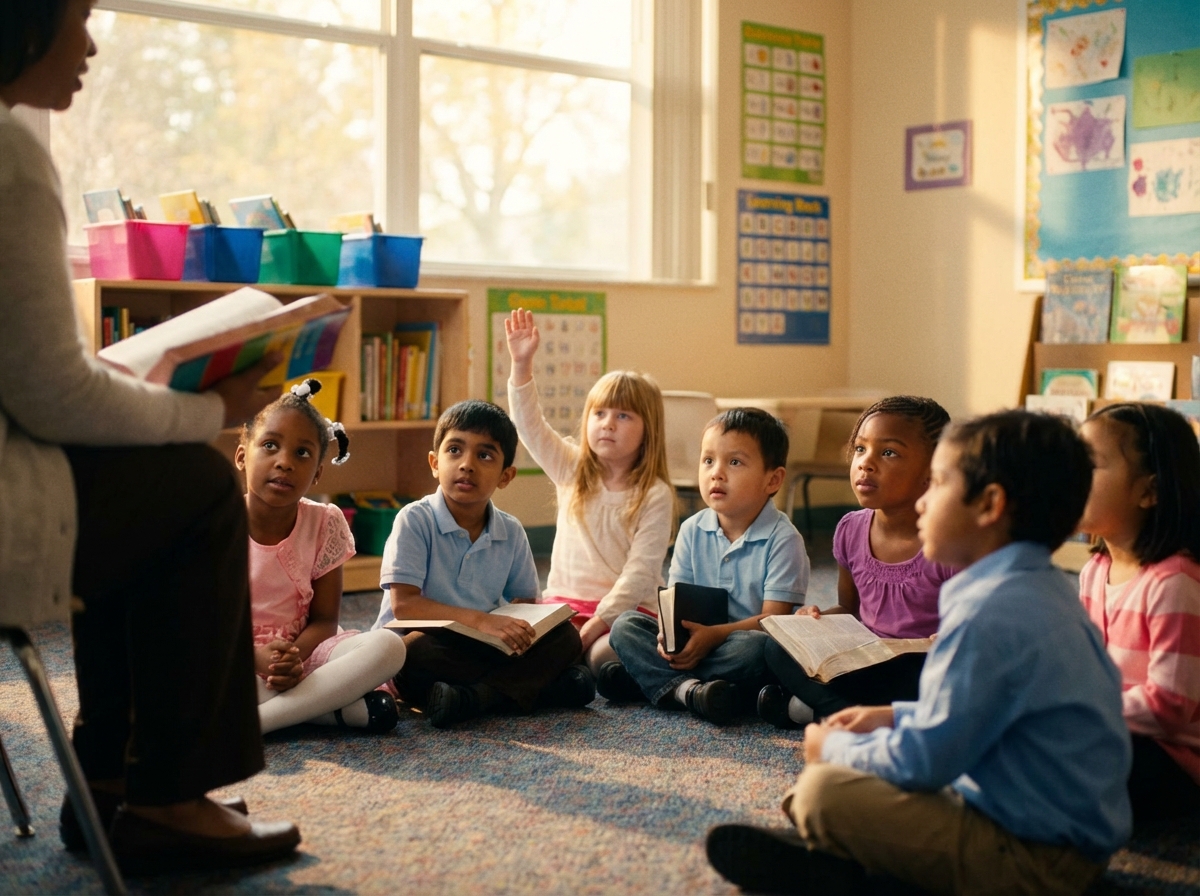
Education in faith-based schools goes beyond textbooks. It’s about nurturing the whole child, ensuring they grow in body, mind, and spirit.
Health Principles and Stewardship
A focus on health and stewardship is integral to holistic education. Your child will learn about the importance of healthy living, from nutrition to exercise. Schools often incorporate physical activities and teach students to care for God’s creation. This approach instills a sense of responsibility for their own well-being and the environment. Imagine your child excitedly sharing what they’ve learned about healthy eating or the importance of recycling. These principles become part of their daily life, promoting lifelong habits.
Spiritual Growth for Kids 🌱
Nurturing spiritual growth is at the heart of faith-based education. Children are encouraged to explore their beliefs and develop a personal relationship with God. Through Bible study, prayer, and worship, they learn to trust in God’s guidance. These practices help them grow spiritually, providing a strong foundation for facing life’s challenges. Envision your child confidently leading a prayer or sharing a Bible story with friends. This growth fosters resilience and a deep understanding of their faith, preparing them to navigate the world with integrity and grace.