

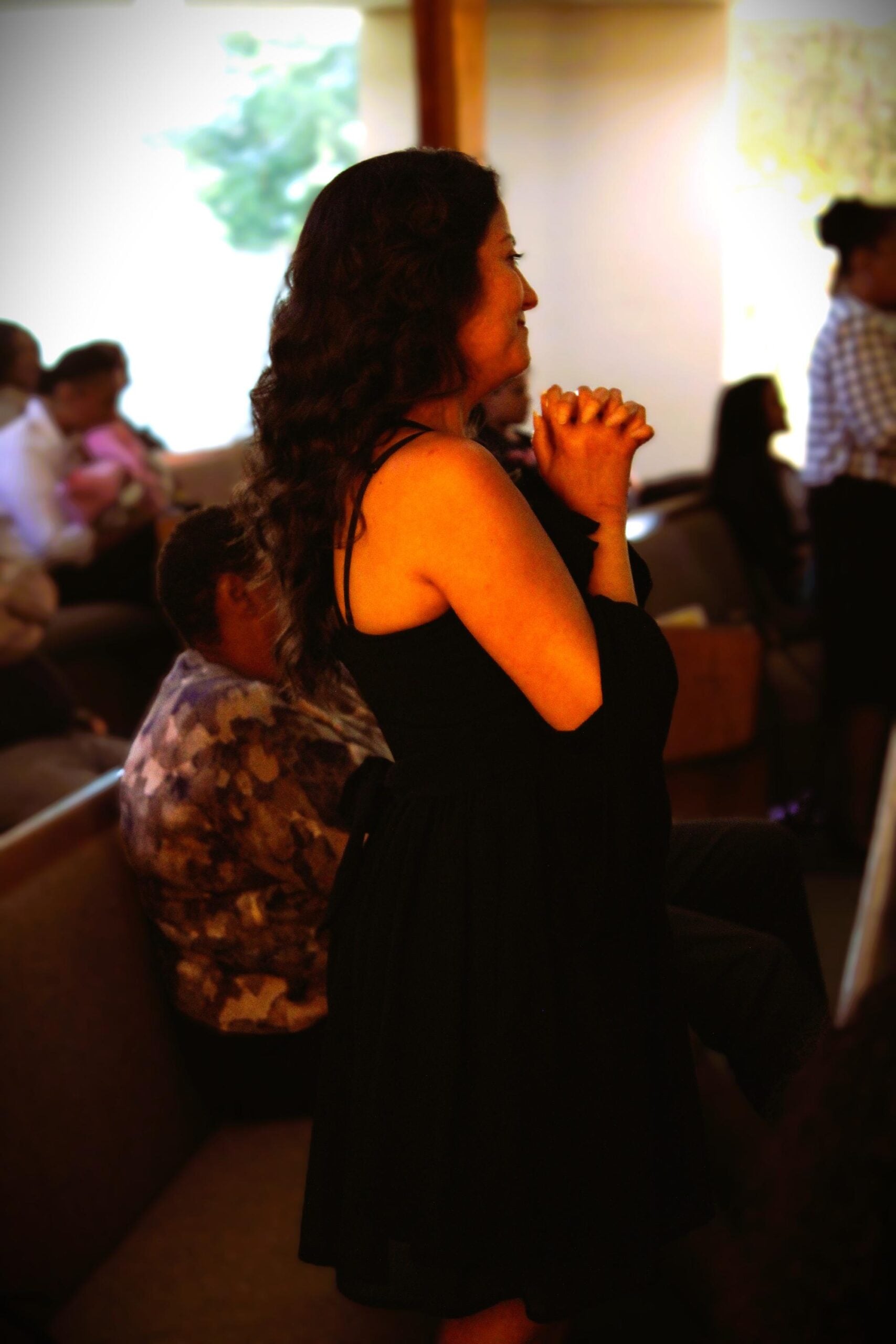

Many people carry confusion and hurt from worship experiences that missed the mark on respect and unity. 1 Corinthians 11 invites us to practice humility and honor in worship, especially around the Lord’s Supper. This chapter holds a gentle but powerful call to healing and connection that can reshape how you relate to God and others. Let’s explore how these timeless truths bring peace and belonging in the San Fernando Valley community.
To deepen your understanding of the spiritual truths found in Seventh-day Adventist Beliefs, consider how they harmonize with the hope and mission of living a Christ-centered life. For a broader perspective, you can also explore Adventist teachings which focus on faith, community, and spiritual growth.
Humility in Worship
In worship, humility serves as a foundation for deeper connection with God and others. Let’s explore how this principle unfolds in 1 Corinthians 11.
Understanding 1 Corinthians 11
1 Corinthians 11 offers a guide to worship that emphasizes humility. Paul addresses the church, encouraging believers to approach worship with sincere hearts. Imagine a community where everyone respects one another’s spiritual journey. This chapter reminds us that worship isn’t just about individual connection with God but also about shared experiences. In a world often divided, this teaches us the value of coming together as a unified body.
The chapter reflects on head coverings as a cultural symbol of respect, urging us to focus on the heart behind our actions. It’s a call to let love guide our worship practices. While the specifics may differ today, the heart of Paul’s message remains relevant. Worship should reflect our commitment to honoring God and each other, fostering an environment where everyone feels valued and connected.
Mutual Honor in Worship
Worship is more than a personal act; it’s a shared experience where mutual honor plays a pivotal role. Paul encourages believers to respect one another and create a space where everyone feels included. This call to mutual honor begins with recognizing the unique contributions each person brings. Think of worship as a tapestry woven from diverse threads, each essential to the whole. When we honor each other, we reflect God’s love and create a welcoming environment.
Paul’s words challenge us to move beyond mere rituals. They invite us to engage with one another authentically. As we gather for worship, let’s focus on building each other up. This approach transforms worship into a powerful expression of community and unity, transcending differences and celebrating our shared faith.
Paul’s Teaching on Worship
Paul’s teachings in 1 Corinthians 11 extend beyond rituals to the heart of worship. He emphasizes that worship should be a heartfelt expression of our faith. By focusing on the spiritual meaning rather than just the external practices, we can experience worship more profoundly. This perspective invites us to examine our attitudes and priorities as we gather to honor God.
Paul encourages us to approach worship with sincerity and reverence. His teachings remind us that worship is a time to connect with God and strengthen our bonds with each other. By prioritizing love and respect, we create an atmosphere where everyone feels valued and included. In this way, worship becomes a powerful tool for building a united and compassionate community.
Unity Through the Lord’s Supper
The Lord’s Supper offers a path to unity and healing in the church. Let’s uncover its deeper meaning and how it fosters community.
Lord’s Supper Meaning
The Lord’s Supper, or Communion, holds profound significance in Christian worship. It’s a reminder of Christ’s sacrifice and a call to unity. Participating in the Lord’s Supper reflects our shared faith and commitment to live out Christ’s teachings. This sacred practice invites us to pause and reflect on our relationship with God and each other.
As we partake in the bread and wine, we remember Christ’s love and sacrifice. This act of remembrance fosters gratitude and humility, drawing us closer to God. It also serves as a reminder of our responsibility to live in harmony with others. By embracing the true meaning of the Lord’s Supper, we can strengthen our bonds with fellow believers and nurture a spirit of unity within our community.
Communion in Community
Communion, or the Lord’s Supper, is a powerful expression of community. It’s an opportunity to come together and celebrate our shared faith. This sacred act reminds us of our connection to Christ and each other. As we gather around the table, we’re reminded that we’re part of something larger than ourselves.
Communion is about more than remembering Christ’s sacrifice; it’s about fostering unity within the church. As we partake in this shared meal, we’re reminded of the importance of supporting one another in our spiritual journeys. This practice encourages us to extend grace and love to those around us, building a community rooted in compassion and understanding.
Healing from Church Hurt
Experiencing hurt within the church can be challenging, but healing is possible. The Lord’s Supper offers a path to reconciliation and restoration. This sacred practice invites us to seek forgiveness and extend grace to one another. By coming together for Communion, we can find healing and hope.
The Lord’s Supper encourages us to confront past hurts and seek resolution. It’s an opportunity to embrace healing and rebuild relationships within our church community. By focusing on forgiveness and unity, we can overcome past wounds and move forward with renewed hope. In this way, the Lord’s Supper becomes a powerful tool for healing and reconciliation within the church.
Building Authentic Community
Building an authentic community requires intentional effort and a commitment to shared values. Let’s explore how we can foster genuine connections.
Discern the Body
Discerning the body is an essential aspect of building authentic community. It involves recognizing the unique contributions of each member and valuing their presence. By discerning the body, we create a space where everyone feels welcomed and appreciated. This practice fosters a sense of belonging and encourages individuals to engage meaningfully with the community.
Discerning the body also involves acknowledging the diverse gifts and talents within the church. By celebrating these differences, we enrich our community and create a vibrant atmosphere. This approach encourages collaboration and mutual support, strengthening our bonds and fostering a spirit of unity.
Seventh-day Adventist Beliefs
Seventh-day Adventist beliefs offer a framework for building authentic community. These beliefs emphasize the importance of faith, community, and spiritual growth. By embracing these values, we can create a supportive environment where individuals feel connected and empowered.
Seventh-day Adventist beliefs encourage us to prioritize relationships and foster a sense of belonging. By focusing on shared values and goals, we can build a community rooted in compassion and understanding. This approach helps us navigate challenges and celebrate successes together, strengthening our bonds and deepening our faith.
Sabbath Worship San Fernando Valley
Sabbath worship in the San Fernando Valley provides an opportunity to connect with others and experience spiritual renewal. This sacred time allows us to pause and reflect on our faith, fostering a sense of peace and rest. By engaging in Sabbath worship, we can strengthen our relationship with God and each other.
Sabbath worship encourages us to prioritize community and nurture meaningful relationships. It’s a time to come together and celebrate our shared faith, creating a space where everyone feels welcomed and valued. By participating in Sabbath worship, we can build an authentic community rooted in love and understanding, enriching our spiritual journey and fostering a sense of belonging.